Good Calories Guide GoodCalories Guide focuses on nutrition, healthy eating, and overall wellness. The site offers practical insights into evidence-based dietary practices, including tips for specific lifestyles such as veganism, keto, and family-friendly meal planning. It also addresses unique nutritional needs for individuals with conditions like diabetes or food allergies, while providing quick and accessible recipes to make healthy living a sustainable and enjoyable choice.

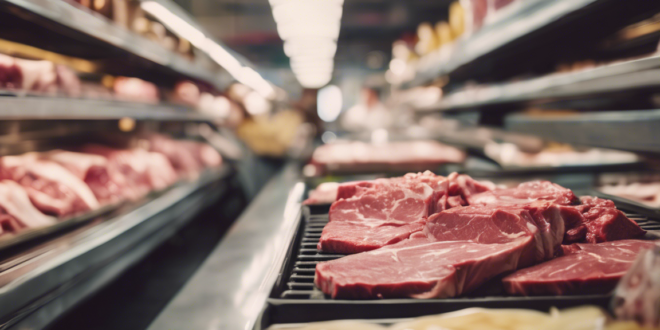
The Global Meat and Dairy Dilemma: Balancing Rising Demand with Climate and Nutrition Challenges
As the world continues to evolve, the global appetite for meat and dairy products presents a complex challenge that intersects nutrition, environmental sustainability, and economic development. Recent projections indicate a significant increase in demand for animal-based foods, raising critical questions about the future of our global food system and its impact on both human health and planetary well-being.
Understanding the Global Consumption Trajectory
The anticipated rise in meat and dairy consumption is not merely a statistical anomaly but a profound reflection of global economic and demographic shifts. Developing countries, particularly in Asia and Africa, are experiencing rapid economic growth and urbanization, which directly correlate with increased protein consumption. This trend is driven by several key factors:
1. Rising middle-class populations
2. Improved purchasing power
3. Changing dietary preferences
4. Cultural shifts in food consumption patterns
Environmental Implications: The Climate Change Connection
The environmental footprint of meat and dairy production represents one of the most significant challenges facing our global ecosystem. Animal agriculture is responsible for approximately 14.5% of global greenhouse gas emissions, a figure that underscores the urgent need for sustainable transformation. The production of beef, in particular, requires extensive land, water, and energy resources, creating a substantial ecological burden.
Key environmental challenges include:
– Deforestation for livestock grazing and feed production
– High water consumption
– Significant methane emissions
– Biodiversity loss
– Soil degradation
Nutritional Considerations: Balancing Global Health Needs
While increased meat and dairy consumption might suggest improved nutrition, the reality is far more nuanced. Many regions continue to face significant nutritional challenges, including protein deficiency and micronutrient malnutrition. The global food system must evolve to provide not just quantity, but quality nutrition that supports human health and development.
Innovative Solutions and Sustainable Alternatives
Addressing the complex challenges of meat and dairy production requires a multifaceted approach that combines technological innovation, policy intervention, and consumer education. Several promising strategies are emerging:
1. Plant-based protein alternatives
2. Cellular agriculture and lab-grown meat
3. Precision livestock farming
4. Regenerative agricultural practices
5. Advanced nutrition technologies
Economic and Social Implications
The transformation of global food systems is not just an environmental imperative but an economic opportunity. Developing sustainable protein sources could create millions of jobs, drive technological innovation, and support economic resilience in agricultural communities worldwide.
Policy Recommendations and Global Collaboration
Addressing the complex challenges of meat and dairy production requires unprecedented global cooperation. Key recommendations include:
– Implementing carbon pricing for agricultural emissions
– Supporting research in sustainable agriculture
– Developing incentives for eco-friendly farming practices
– Creating international standards for sustainable food production
Consumer Role in Driving Change
Individual consumers play a crucial role in transforming the global food system. By making informed dietary choices, supporting sustainable brands, and advocating for systemic change, people can contribute to a more balanced and environmentally responsible approach to nutrition.
Technological Innovations: The Future of Food
Emerging technologies offer unprecedented opportunities to reimagine food production. From precision fermentation to advanced plant-based proteins, these innovations promise to deliver nutritionally complete, environmentally sustainable alternatives that can help meet global dietary needs.
Conclusion: A Holistic Approach to Global Nutrition
The rising demand for meat and dairy is not a problem to be solved, but a complex challenge requiring collaborative, innovative solutions. By integrating environmental considerations, nutritional science, technological innovation, and global policy frameworks, we can create a more sustainable, equitable, and healthy global food system.
As we move forward, the key lies in our collective ability to balance human nutritional needs with planetary health, transforming challenges into opportunities for meaningful, sustainable change.