Good Calories Guide GoodCalories Guide focuses on nutrition, healthy eating, and overall wellness. The site offers practical insights into evidence-based dietary practices, including tips for specific lifestyles such as veganism, keto, and family-friendly meal planning. It also addresses unique nutritional needs for individuals with conditions like diabetes or food allergies, while providing quick and accessible recipes to make healthy living a sustainable and enjoyable choice.

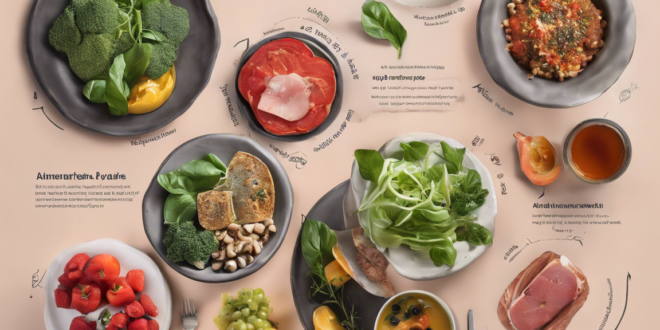
Anti-Inflammatory Meals Made Easy: The Power of Hydration and Energy
In today’s fast-paced world, maintaining optimal energy levels and combating inflammation can seem like a challenging task. However, the secret to feeling vibrant and healthy might be simpler than you think. Hydration plays a crucial role in supporting your body’s natural defense mechanisms and sustaining energy throughout the day.
Understanding Hydration and Its Impact on Energy
Water is more than just a thirst quencher – it’s a fundamental component of cellular function and overall well-being. When your body is properly hydrated, every system works more efficiently, from your metabolism to your cognitive performance. Dehydration can lead to fatigue, reduced mental clarity, and increased inflammation, making proper fluid intake essential for maintaining peak energy levels.
The Science Behind Hydration and Inflammation
Research has consistently shown a strong connection between hydration and the body’s inflammatory response. When you’re adequately hydrated, your body can more effectively:
• Flush out toxins
• Regulate body temperature
• Support nutrient transportation
• Maintain optimal cellular function
• Reduce oxidative stress
How Much Water Do You Really Need?
While the traditional advice of drinking eight glasses a day is a good starting point, individual hydration needs vary. Factors such as body weight, activity level, climate, and overall health play significant roles in determining optimal fluid intake. A more personalized approach involves:
• Monitoring urine color (pale yellow indicates good hydration)
• Drinking water before, during, and after physical activity
• Consuming water-rich foods
• Listening to your body’s thirst signals
Hydration Strategies for Maximum Energy
Implementing effective hydration strategies can transform your daily energy levels and reduce inflammation. Consider these practical tips:
1. Start Your Day with Water
Begin each morning by drinking 16-20 ounces of room temperature water. This helps kickstart your metabolism, supports digestive function, and provides an immediate energy boost.
2. Incorporate Electrolyte-Rich Beverages
Beyond plain water, consider natural electrolyte sources like:
• Coconut water
• Herbal teas
• Infused water with fresh fruits and herbs
• Mineral-rich vegetable juices
Anti-Inflammatory Hydration Boosters
Some beverages offer additional anti-inflammatory benefits while supporting hydration:
• Green tea: Packed with antioxidants that combat inflammation
• Turmeric-infused water: Contains powerful anti-inflammatory compounds
• Cucumber water: Provides additional mineral support
• Lemon water: Supports detoxification and reduces oxidative stress
Recognizing Dehydration Symptoms
Understanding the signs of dehydration can help you take proactive measures. Common symptoms include:
• Persistent fatigue
• Headaches
• Dry skin
• Decreased urination
• Muscle cramps
• Difficulty concentrating
Hydration Beyond Drinking Water
Hydration isn’t just about liquid consumption. You can boost your body’s hydration through:
• Water-rich foods (cucumbers, watermelon, zucchini)
• Reducing caffeine and alcohol intake
• Using a humidifier
• Eating foods with high water content
Practical Hydration Tips for Busy Lifestyles
For those with demanding schedules, staying hydrated can be challenging. Try these practical strategies:
• Keep a reusable water bottle with measurement markings
• Set hourly hydration reminders on your phone
• Flavor water naturally with fresh fruits
• Track your daily water intake
• Replace sugary drinks with water or herbal tea
Conclusion: Your Hydration Journey
Transforming your energy levels and reducing inflammation starts with a simple yet powerful commitment to hydration. By understanding your body’s unique needs and implementing strategic hydration techniques, you can unlock a more vibrant, energetic version of yourself.
Remember, hydration is a personal journey. Pay attention to your body’s signals, experiment with different strategies, and gradually build habits that support your overall well-being. Your body will thank you with increased energy, reduced inflammation, and improved overall health.