Good Calories Guide GoodCalories Guide focuses on nutrition, healthy eating, and overall wellness. The site offers practical insights into evidence-based dietary practices, including tips for specific lifestyles such as veganism, keto, and family-friendly meal planning. It also addresses unique nutritional needs for individuals with conditions like diabetes or food allergies, while providing quick and accessible recipes to make healthy living a sustainable and enjoyable choice.

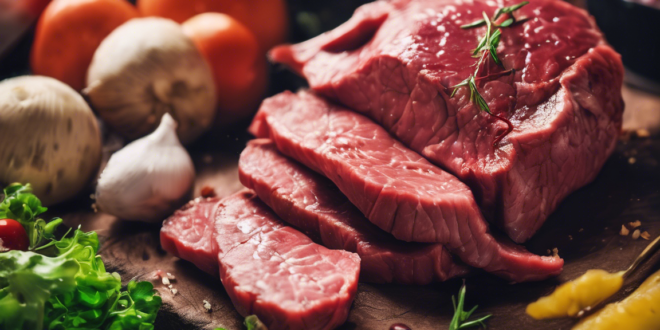
Liver: The World’s Healthiest Meat That Outperforms Many Fruits and Vegetables
When it comes to nutritional powerhouses, one food often overlooked by modern dieters might surprise you. Organ meats, particularly liver, have emerged as an extraordinary superfood that nutritionists and health experts are increasingly recommending for optimal health and wellness.
The Nutritional Powerhouse You’re Probably Missing
Liver has long been considered nature’s most concentrated multivitamin, packed with an incredible array of nutrients that can potentially surpass many fruits and vegetables in nutritional density. Unlike typical muscle meats, liver contains a remarkable concentration of vitamins, minerals, and essential compounds that support overall health and well-being.
What Makes Liver So Extraordinary?
Unlike other meats, liver is uniquely positioned as a nutritional powerhouse. It contains an unprecedented mix of nutrients that are rarely found in such high concentrations in other food sources. From vitamin A to B vitamins, iron, and trace minerals, liver provides a comprehensive nutritional profile that can significantly enhance human health.
Nutrient Breakdown: Why Liver Stands Out
1. Vitamin A: Liver contains the most bioavailable form of vitamin A, which is crucial for vision, immune function, and skin health. Just a small serving can provide more than 100% of daily recommended intake.
2. B Vitamins: Liver is exceptionally rich in B vitamins, particularly B12, which is essential for neurological function and red blood cell formation.
3. Iron: The type of iron found in liver is heme iron, which is more easily absorbed by the body compared to non-heme iron found in plant sources.
4. Trace Minerals: Copper, zinc, and selenium are present in liver in highly bioavailable forms, supporting various metabolic processes.
Comparing Liver to Fruits and Vegetables
While fruits and vegetables are undoubtedly healthy, liver provides nutrients in more concentrated and readily absorbable forms. For instance, while an apple might provide some vitamin C, liver offers a broader spectrum of nutrients that work synergistically to support overall health.
Types of Liver: Not All Are Created Equal
Different animal livers offer varying nutritional profiles. Grass-fed beef liver is generally considered the most nutrient-dense, followed by chicken and lamb liver. The quality of the animal’s diet directly impacts the nutrient content of its liver.
Potential Health Benefits
Regular consumption of liver has been linked to numerous health benefits, including:
– Enhanced energy levels
– Improved cognitive function
– Better immune system performance
– Support for metabolic health
– Enhanced fertility
– Potential anti-aging effects
Addressing Common Concerns
Many people hesitate to consume liver due to misconceptions about taste or potential toxicity. However, modern preparation techniques and understanding of liver’s role in nutrition have dramatically changed these perspectives. Liver does not store toxins as previously believed; instead, it processes them.
How to Incorporate Liver into Your Diet
1. Start with small amounts
2. Try liver pâté or mousse for milder flavor
3. Mix ground liver with regular ground meat in recipes
4. Consider desiccated liver supplements
5. Explore international cuisines that traditionally use liver
Recommended Consumption Guidelines
Nutrition experts recommend consuming 2-4 ounces of liver per week. This provides substantial nutritional benefits without risking vitamin A overconsumption. Always source liver from grass-fed, organic animals to ensure the highest quality.
Potential Risks and Precautions
While liver is incredibly nutritious, certain individuals should exercise caution:
– Pregnant women should limit intake due to high vitamin A levels
– People with hemochromatosis should consult their healthcare provider
– Those on blood thinners should discuss liver consumption with their doctor
The Future of Nutritional Science
As nutritional research advances, liver is increasingly being recognized as a superior food source. Its comprehensive nutrient profile challenges traditional dietary recommendations and offers a compelling alternative to synthetic supplements.
Conclusion: A Nutritional Game-Changer
Liver represents more than just a food—it’s a nutritional strategy. By understanding its extraordinary benefits and incorporating it thoughtfully into our diets, we can unlock a powerful approach to nutrition that goes beyond conventional dietary wisdom.
As with any significant dietary change, it’s always recommended to consult with a healthcare professional or registered dietitian to personalize nutritional strategies to individual health needs and goals.