Good Calories Guide GoodCalories Guide focuses on nutrition, healthy eating, and overall wellness. The site offers practical insights into evidence-based dietary practices, including tips for specific lifestyles such as veganism, keto, and family-friendly meal planning. It also addresses unique nutritional needs for individuals with conditions like diabetes or food allergies, while providing quick and accessible recipes to make healthy living a sustainable and enjoyable choice.

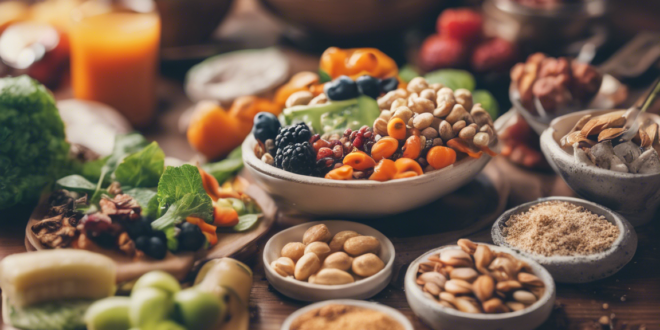
Navigating the World of Nutrition: A Comprehensive Guide to Healthy Eating in 2024
In an era of constant nutritional information and dietary trends, understanding the fundamentals of healthy eating has never been more critical. This comprehensive guide explores the latest insights, research, and practical strategies for achieving optimal nutrition and wellness in today’s complex food landscape.
Understanding Modern Nutrition: Beyond Simple Dieting
Nutrition is no longer just about counting calories or following restrictive diet plans. Modern nutritional science reveals a holistic approach that considers individual metabolic needs, genetic factors, and overall lifestyle. Recent research demonstrates that personalized nutrition strategies can significantly impact long-term health outcomes, preventing chronic diseases and enhancing quality of life.
The Science of Nutrient Absorption
Contemporary nutritional research highlights the importance of not just consuming nutrients, but understanding how our bodies absorb and utilize them. Factors such as gut microbiome health, timing of nutrient intake, and food combinations play crucial roles in maximizing nutritional benefits. For instance, consuming vitamin C-rich foods alongside iron sources can enhance iron absorption by up to 67%, showcasing the intricate mechanisms of nutritional synergy.
Macronutrients: Building Blocks of Optimal Health
Proteins, carbohydrates, and fats remain the fundamental macronutrients essential for human functioning. However, the quality and source of these nutrients have become increasingly important. Plant-based proteins, complex carbohydrates, and healthy fat sources are now recognized as superior alternatives to processed and animal-derived options.
Protein: More Than Muscle Building
Proteins play a multifaceted role beyond muscle development. They are critical for enzyme production, immune function, and cellular repair. Recent studies suggest that diversifying protein sources—including legumes, nuts, seeds, and lean animal proteins—provides a more comprehensive nutritional profile compared to traditional protein consumption methods.
Carbohydrates: The Misunderstood Nutrient
Contrary to popular diet trends, carbohydrates remain an essential energy source. The key lies in selecting complex carbohydrates with high fiber content and low glycemic index. Whole grains, vegetables, and fruits offer sustained energy release and provide crucial micronutrients often missing in refined carbohydrate sources.
Healthy Fats: Challenging Historical Misconceptions
The narrative around dietary fats has dramatically transformed. Monounsaturated and polyunsaturated fats from sources like avocados, olive oil, nuts, and fatty fish are now recognized as heart-healthy nutrients that support brain function and reduce inflammation. The outdated low-fat dietary guidelines have been replaced with more nuanced recommendations emphasizing fat quality over quantity.
Micronutrients: The Hidden Health Boosters
Vitamins and minerals, though required in smaller quantities, play pivotal roles in numerous physiological processes. Emerging research suggests that micronutrient deficiencies contribute to various health issues, from compromised immune function to mental health challenges. Strategies like food diversification and targeted supplementation can help address these potential gaps.
Gut Health: The Nutritional Frontier
The gut microbiome has emerged as a critical component of overall health. Probiotics, prebiotics, and fermented foods are now recognized as essential for maintaining a balanced digestive system. Research indicates that gut health influences not just digestion, but also mental health, immune response, and metabolic functions.
Sustainable Nutrition: Connecting Personal and Planetary Health
Modern nutritional approaches increasingly consider environmental sustainability. Plant-based diets, reduced meat consumption, and locally sourced ingredients are becoming mainstream strategies that benefit both individual health and global ecological systems. Consumers are increasingly making food choices that align with environmental consciousness.
Practical Strategies for Implementing Nutritional Knowledge
Translating nutritional science into daily practice requires strategic planning. Meal preparation, mindful eating, understanding food labels, and gradual dietary modifications are more effective than extreme, unsustainable diet changes. Technology and nutrition apps now provide personalized guidance, making nutritional optimization more accessible than ever.
Navigating Nutritional Misinformation
With the proliferation of online health content, distinguishing between evidence-based nutrition advice and trendy misinformation has become challenging. Consulting registered dietitians, reviewing peer-reviewed research, and maintaining a critical approach to dietary claims are essential skills in the modern nutritional landscape.
Conclusion: A Holistic Approach to Nutrition
Nutrition in 2024 is a dynamic, personalized journey that extends far beyond traditional dietary restrictions. By embracing scientific insights, maintaining flexibility, and focusing on whole-food approaches, individuals can develop sustainable, health-promoting eating habits that support long-term wellness.
Key Takeaways:
– Personalized nutrition is key to optimal health
– Quality of nutrients matters more than quantity
– Gut health significantly influences overall wellness
– Sustainability and nutrition are interconnected
– Continuous learning and adaptation are crucial