Good Calories Guide GoodCalories Guide focuses on nutrition, healthy eating, and overall wellness. The site offers practical insights into evidence-based dietary practices, including tips for specific lifestyles such as veganism, keto, and family-friendly meal planning. It also addresses unique nutritional needs for individuals with conditions like diabetes or food allergies, while providing quick and accessible recipes to make healthy living a sustainable and enjoyable choice.

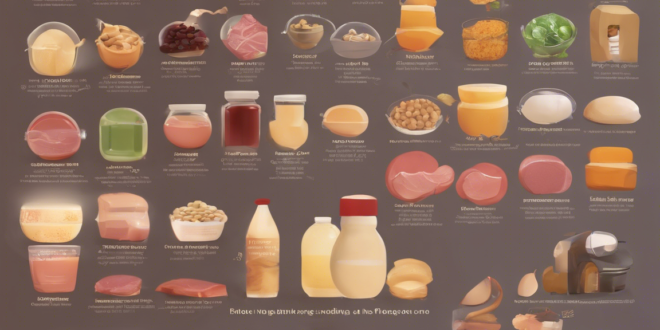
Cut the Guesswork Out of Eating Protein: A Comprehensive Visual Guide to Optimal Nutrition
Protein is the building block of life, playing a crucial role in muscle development, immune function, and overall health. Yet, many Americans struggle to understand exactly how much protein they need and the best sources to meet their dietary requirements. This comprehensive guide will demystify protein consumption, providing you with expert insights and practical strategies to optimize your nutritional intake.
Understanding Protein: More Than Just a Muscle-Building Nutrient
Protein is far more than just a supplement for bodybuilders. It’s an essential macronutrient that supports nearly every function in the human body. From repairing tissue and creating enzymes to supporting hormone production and maintaining a strong immune system, protein plays a critical role in our overall health and well-being.
How Much Protein Do You Really Need?
The recommended daily protein intake varies depending on several factors, including age, weight, activity level, and overall health goals. While the standard dietary recommendation is 0.8 grams of protein per kilogram of body weight, many nutritionists now suggest higher amounts:
- Sedentary adults: 0.8-1.2 g per kg of body weight
- Moderately active individuals: 1.2-1.6 g per kg
- Athletes and highly active people: 1.6-2.2 g per kg
- Older adults: 1.2-2.0 g per kg to prevent muscle loss
Visual Protein Portion Guide: Estimating Your Intake
Understanding protein portions doesn’t have to be complicated. Here’s a simple visual guide to help you estimate protein content:
- Palm-sized portion of meat/fish (3-4 oz): Approximately 20-25g of protein
- Large egg: About 6-7g of protein
- Cup of Greek yogurt: Roughly 15-20g of protein
- Quarter-cup of nuts: Around 7-9g of protein
- Scoop of protein powder: Typically 20-25g of protein
Protein Sources: Beyond Meat and Dairy
While animal products are traditional protein sources, there’s a growing variety of options for all dietary preferences:
Animal-Based Proteins:
- Chicken breast
- Lean beef
- Fish (salmon, tuna)
- Eggs
- Greek yogurt
Plant-Based Proteins:
- Tofu
- Tempeh
- Lentils
- Quinoa
- Chickpeas
- Protein-rich vegetables like spinach and broccoli
Common Protein Consumption Mistakes to Avoid
Many people make critical errors when incorporating protein into their diet. Here are some common pitfalls and how to avoid them:
- Uneven Distribution: Spreading protein intake evenly throughout the day is more beneficial than consuming large amounts in one meal.
- Ignoring Quality: Not all proteins are created equal. Focus on complete proteins containing all essential amino acids.
- Overestimating Needs: Consuming excessive protein can lead to unnecessary calorie intake and potential kidney strain.
- Neglecting Variety: Rotating protein sources ensures a broader range of nutrients.
Protein and Special Dietary Considerations
Different life stages and health conditions require tailored protein approaches:
- Vegetarians/Vegans: Combine multiple plant proteins to ensure complete amino acid profiles
- Athletes: May require higher protein intake for muscle recovery
- Seniors: Need more protein to combat muscle loss and maintain strength
- Pregnant Women: Require additional protein for fetal development
Tracking and Measuring: Technology to the Rescue
Modern technology offers numerous tools to help track protein intake:
- Nutrition tracking apps
- Smart food scales
- Wearable fitness devices with nutritional insights
- Online protein calculators
Final Thoughts: Making Protein Work for You
Understanding protein doesn’t have to be complicated. By using this visual guide and listening to your body’s unique needs, you can optimize your protein intake and support overall health. Remember, nutrition is personal – what works for one person might not work perfectly for another.
Consult a Professional
For personalized nutrition advice, always consult with a registered dietitian or healthcare professional who can provide guidance tailored to your specific health goals and requirements.