Good Calories Guide GoodCalories Guide focuses on nutrition, healthy eating, and overall wellness. The site offers practical insights into evidence-based dietary practices, including tips for specific lifestyles such as veganism, keto, and family-friendly meal planning. It also addresses unique nutritional needs for individuals with conditions like diabetes or food allergies, while providing quick and accessible recipes to make healthy living a sustainable and enjoyable choice.

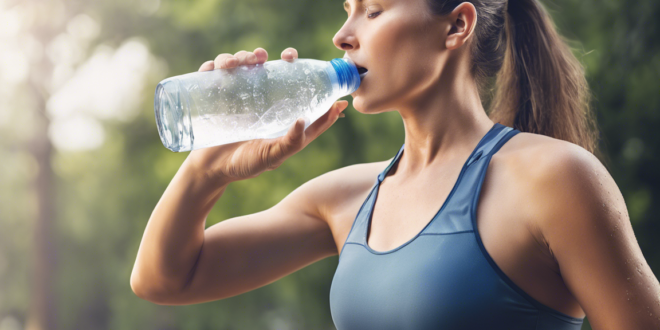
Hydration Tips for Staying Active: Your Ultimate Guide to Peak Performance
Staying hydrated is more than just drinking water—it’s a critical component of maintaining optimal physical performance, energy levels, and overall health. Whether you’re an athlete, fitness enthusiast, or someone who wants to maintain an active lifestyle, understanding the intricate relationship between hydration and energy is key to achieving your wellness goals.
Why Hydration Matters: The Science Behind Water and Energy
Water is the cornerstone of human physiological function. Our bodies are composed of approximately 60% water, and this liquid plays a crucial role in nearly every bodily process. From regulating body temperature to transporting nutrients and oxygen to cells, hydration is fundamental to maintaining high energy levels and peak physical performance.
When you’re dehydrated, your body’s systems work harder, leading to increased fatigue, reduced cognitive function, and diminished physical capabilities. Research shows that even a mild dehydration level of 1-2% can significantly impact your energy, mood, and physical performance.
Understanding Hydration Needs: Individual Variations
Hydration requirements are not one-size-fits-all. Factors such as body weight, activity level, climate, and individual metabolism play critical roles in determining optimal fluid intake. On average, health experts recommend:
- Men: Approximately 15.5 cups (3.7 liters) of fluids per day
- Women: Approximately 11.5 cups (2.7 liters) of fluids per day
Signs of Dehydration: Recognizing Your Body’s Signals
Your body communicates its hydration needs through various signals. Learning to recognize these early warning signs can help you maintain optimal hydration levels:
- Dark yellow or amber-colored urine
- Feeling thirsty
- Dry mouth and lips
- Fatigue and decreased energy
- Headaches
- Dizziness or lightheadedness
Hydration Strategies for Different Activity Levels
Different activities require tailored hydration approaches. Here’s a comprehensive guide to staying hydrated across various scenarios:
1. Daily Activity and Office Work
For sedentary individuals, maintaining hydration is crucial. Keep a water bottle at your desk and aim to drink water consistently throughout the day. Set reminders on your phone or use hydration tracking apps to ensure you’re meeting your daily fluid intake goals.
2. Moderate Exercise (30-60 minutes)
For moderate exercise sessions, focus on pre-hydration. Drink 16-20 ounces of water 2-3 hours before your workout and another 8 ounces 20-30 minutes before starting. During the exercise, consume 7-10 ounces every 10-20 minutes.
3. Intense Workouts and Endurance Activities
For high-intensity workouts or endurance activities lasting over an hour, consider electrolyte-enhanced drinks. These beverages help replace sodium, potassium, and other minerals lost through sweat, preventing potential performance decline.
Hydration Beyond Water: Diverse Fluid Sources
While water is the primary hydration source, other beverages and foods contribute to your daily fluid intake:
- Herbal teas
- Fresh fruits and vegetables with high water content
- Coconut water
- Low-fat milk
- Natural fruit-infused waters
Technology and Hydration: Modern Tools for Tracking
Leverage technology to improve your hydration habits. Smart water bottles, fitness trackers, and mobile apps can help monitor your daily fluid intake, send hydration reminders, and provide personalized recommendations based on your activity level and environmental conditions.
Hydration Myths Debunked
Not all hydration advice is created equal. Some common myths include:
- Myth: You only need to drink when you’re thirsty
- Myth: Coffee and tea dehydrate you
- Myth: Eight glasses of water daily is a universal rule
Always consult healthcare professionals and listen to your body’s unique needs.
Conclusion: Making Hydration a Lifestyle
Hydration is not a temporary fix but a continuous commitment to your health and performance. By understanding your body’s unique needs, implementing strategic hydration techniques, and staying informed, you can optimize your energy levels, enhance physical performance, and support overall well-being.
Remember, every sip counts towards your health journey. Stay hydrated, stay active, and unlock your body’s full potential!